You do not need to arrive with all the answers. A first appointment is an opportunity to explain your concerns, understand the proposed treatment and decide whether it feels right for you.
Before you visit
When contacting the clinic, explain whether you want to discuss your options or have already selected a treatment. Ask what the appointment includes and whether consultation and treatment would happen during the same visit. Confirm any consultation fee, deposit and cancellation conditions before paying.
Prepare a brief note of the changes you have noticed and the questions you would like answered. Bring an accurate account of your medical history, medicines, previous procedures and relevant symptoms. If you have recently given birth, are pregnant or have concerns about an infection, tell the clinic before arranging treatment so it can advise on the next step.
Ask for the clinic’s own preparation instructions. Avoid relying on a generic checklist from a different treatment or provider. If an instruction is unclear, contact the team before the appointment rather than guessing what it means.
Make room for your questions
Start with what matters to you. You might want to understand a physical change, ask about the treatment itself or discuss a concern that has been difficult to raise elsewhere. A clear explanation in everyday language is more useful than trying to use technical terms.
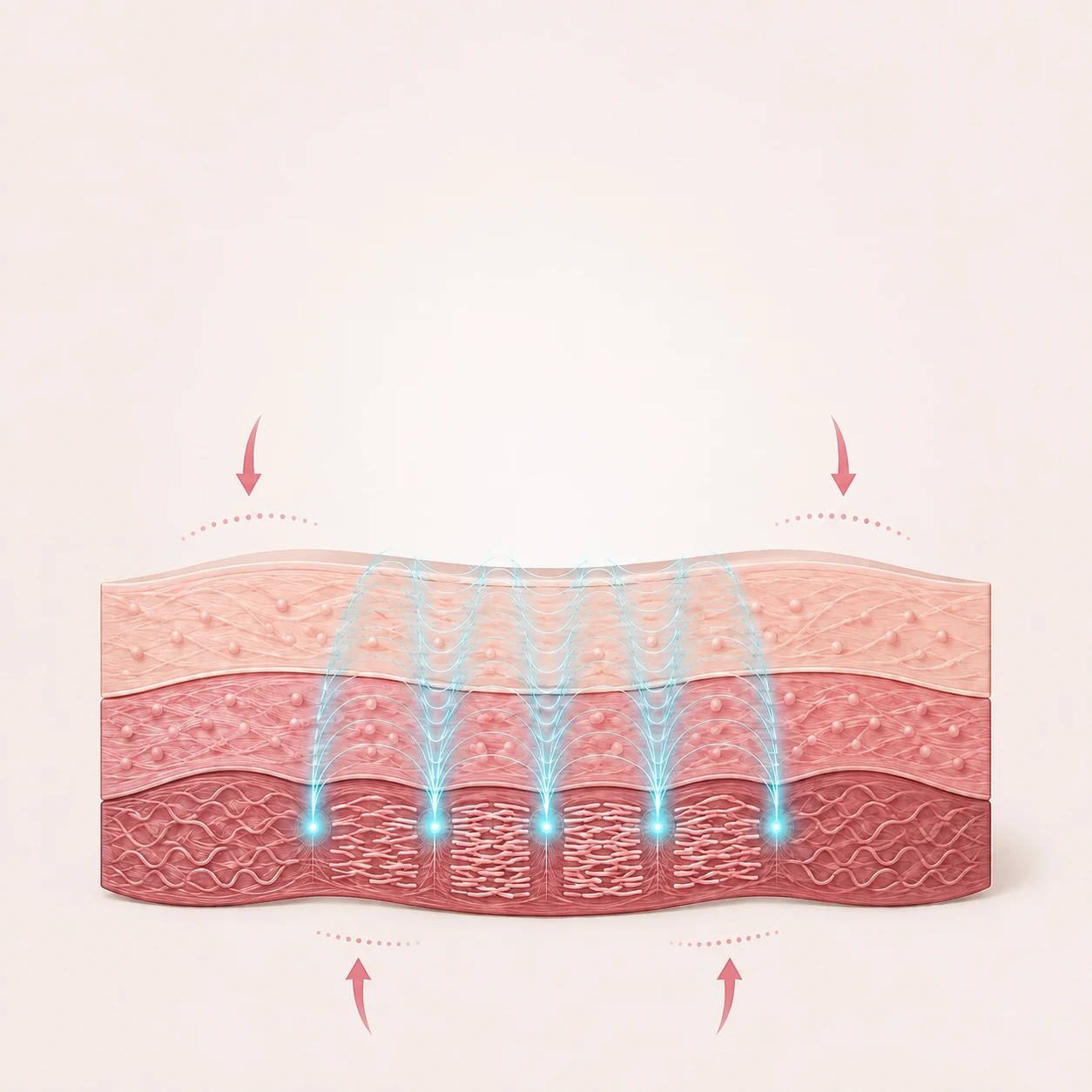
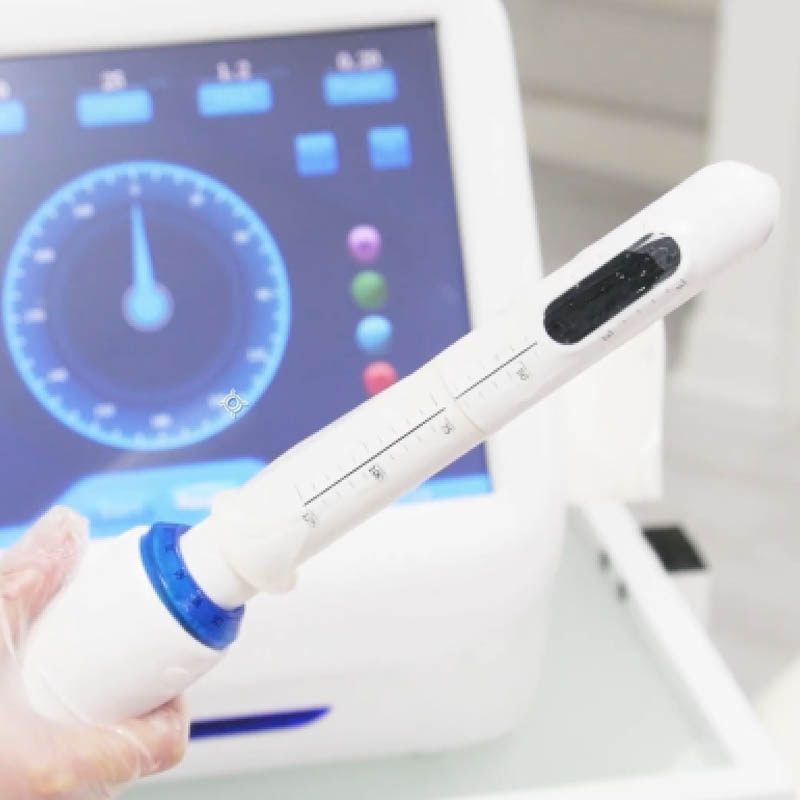
Ask who will carry out the treatment, what relevant training they have and who is responsible for follow-up. Request an explanation of the exact device, the proposed protocol, the evidence behind it and the alternatives. Our guide to how FemiWand works gives you a starting point for that conversation.
If symptoms need a medical assessment, that should come before a cosmetic decision. For example, the NHS advises a GP review for bleeding after sex, between periods or after menopause. See NHS patient guidance.
Privacy, comfort and consent
Ask about the practical arrangements: the room, changing facilities, who will be present and whether a chaperone is available. If you have a practitioner preference or need an adjustment to feel comfortable, discuss it when booking so the clinic can explain what it can accommodate.
Before consenting, understand what will happen, what sensations you may experience and how to ask for a pause. You can raise a concern or change your mind. Also ask how the clinic’s payment terms apply if you decide not to continue; consent to treatment and the booking’s financial conditions are separate matters to understand.
VIVO describes treatment time as approximately 20–30 minutes. Confirm how much additional time to allow for discussion, consent and aftercare, rather than planning around that estimate alone. Read the provider’s treatment information.
Leave with an aftercare plan
Request written guidance specific to your treatment. Ask when to resume sex, use tampons, exercise or return to any other activity that matters to you. A general statement about downtime should not replace those instructions.
Make sure you know what symptoms to expect, what would need medical attention and whom to contact if a problem develops. Ask when any follow-up would take place and how you would discuss an outcome that differs from what you expected. Keep the instructions somewhere you can find them easily.
A short checklist to bring
- My concerns and relevant medical history.
- The device, proposed treatment and alternatives.
- Privacy, chaperone and comfort arrangements.
- Total cost and the terms if plans change.
- Written aftercare and a follow-up contact.
For package details and the booking process, continue to FemiWand prices in the UK, or speak to the VIVO team before choosing an appointment.
This guide supports an informed discussion. It does not replace an individual medical assessment or your practitioner’s instructions.
← Back to all articles