Understanding a treatment starts with understanding what is being offered. Here is a straightforward introduction to FemiWand, what HIFU means and what to ask before deciding whether to go ahead.
What does HIFU mean?
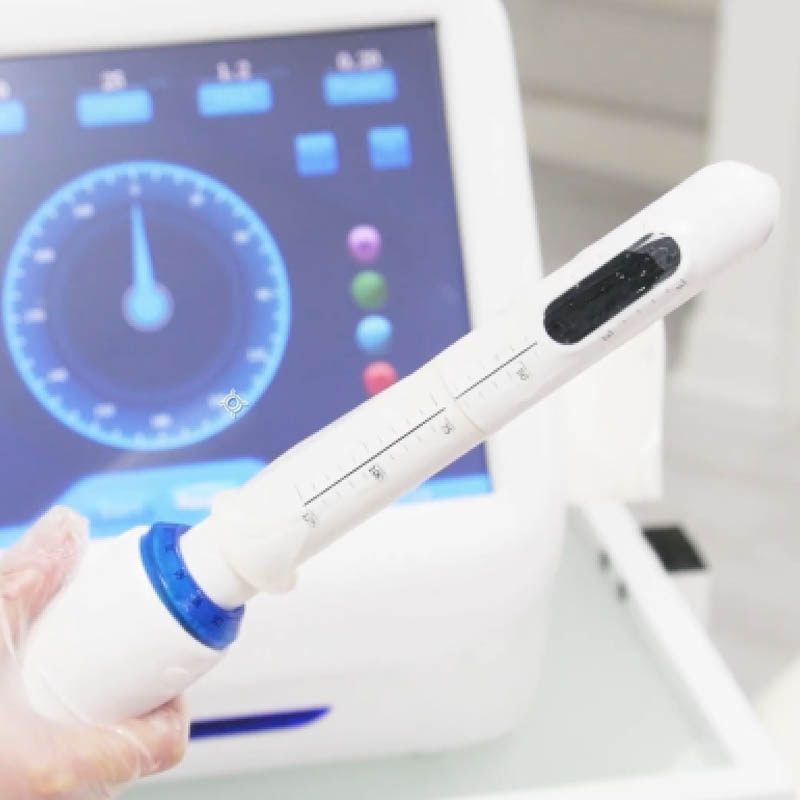
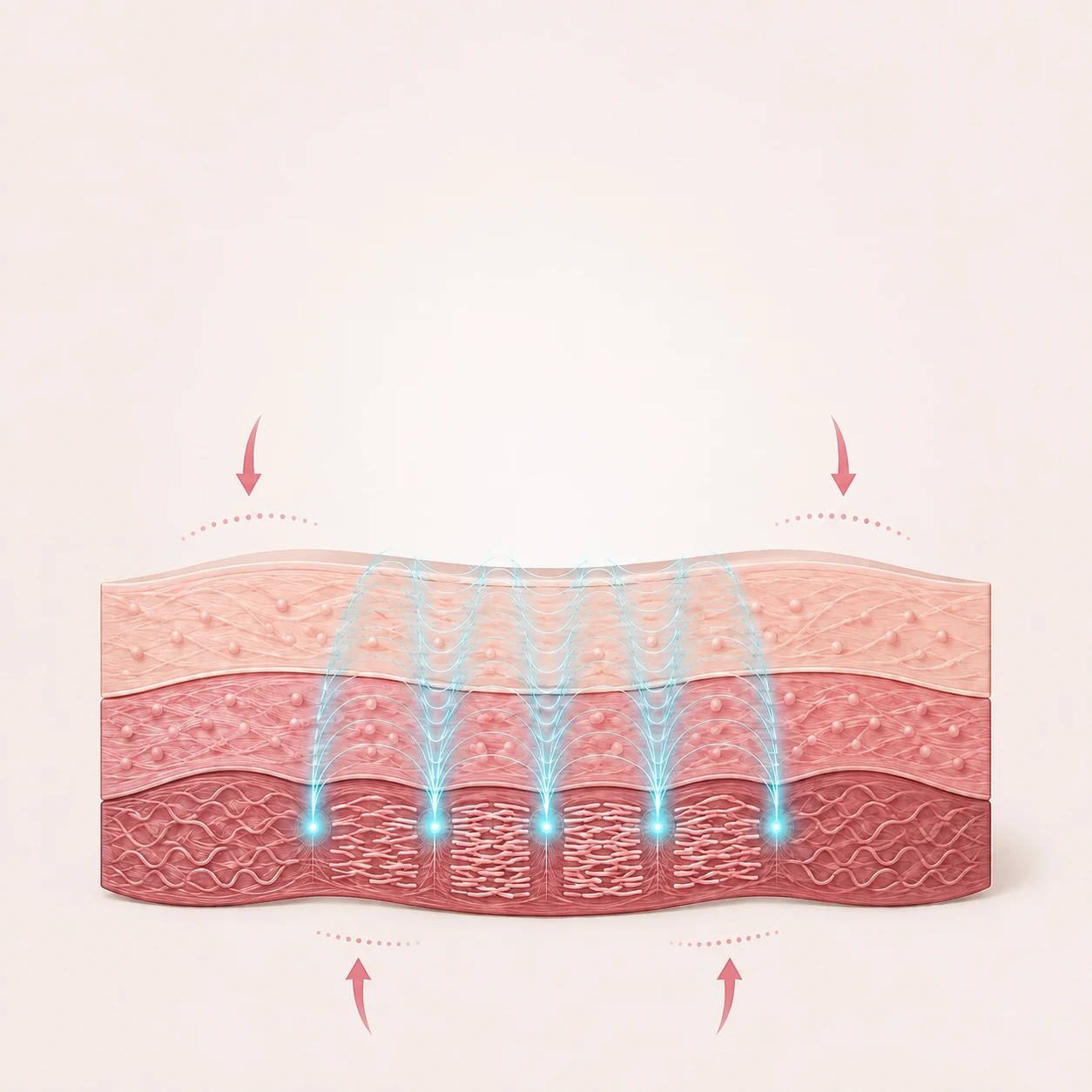
HIFU stands for high-intensity focused ultrasound. In the vaginal tightening treatment offered by VIVO Body Studio, an internal applicator delivers ultrasound energy to selected tissue layers. The intended effect is local heating that encourages a tissue response associated with collagen remodelling. That describes the proposed mechanism; it is not a promise of a particular result. See VIVO’s treatment information.
You may encounter several names when researching this area, including FemiWand, HIFU vaginal tightening and vaginal rejuvenation. Ask the clinic to identify the exact device and protocol it uses. A familiar treatment name alone does not tell you how a procedure will be performed or whether it is suitable for you.
How do the packages differ?
VIVO lists a superficial package and a combined superficial and muscular package. These are the provider’s package descriptions. The combined option is presented as using settings that address additional tissue depths. The appropriate choice depends on an individual assessment, rather than simply selecting the more extensive package.
Before choosing, ask the practitioner to explain what the package includes in practical terms: which settings are proposed, why they have been selected and whether one appointment or a course is being recommended. You should also know the total price of the proposed plan. You can compare the current displayed options in our prices and clinics section.
What should you know about results?
Ask for evidence that relates to the exact device, the intended use and the outcome you hope to achieve. Information about a different technology or a different treatment area cannot automatically answer those questions. A useful discussion should explain how improvement would be assessed, when it would be reviewed and what happens if you do not notice a change.
Research and long-term safety evidence for energy-based vaginal rejuvenation remain limited. ACOG also warns of possible complications, including burns, scarring and ongoing pain. These points belong in the consultation alongside any proposed benefits. Read ACOG’s patient guidance.
There is no guaranteed degree of tightening or fixed duration of benefit. Personal testimonials and promotional imagery should not be treated as predictions of your own outcome.
Start with the concern, not the package
It can help to describe the change you have noticed in your own words. Is it a change in sensation, a feeling of looseness, discomfort or something else? You do not need to diagnose the cause yourself. Explain when it started and whether it affects everyday activities or intimacy.
Symptoms such as persistent dryness or bleeding need appropriate medical advice. The NHS recommends speaking to a GP when dryness persists despite self-care, affects daily life, or is accompanied by unusual discharge or bleeding. Read NHS guidance on vaginal dryness.
Questions to take to a consultation
- Which device and protocol would you use, and why?
- What evidence supports it for my particular concern?
- What are the possible risks and alternatives?
- What would a realistic outcome look like, and how would we assess it?
- What aftercare and follow-up are included?
You can write the answers down and take time to consider them. For the practical details of preparing for a visit, read your first FemiWand appointment.
This guide supports an informed discussion. It does not replace an individual medical assessment or your practitioner’s instructions.
← Back to all articles